
Kasu Brahmanandha Reddy National Park
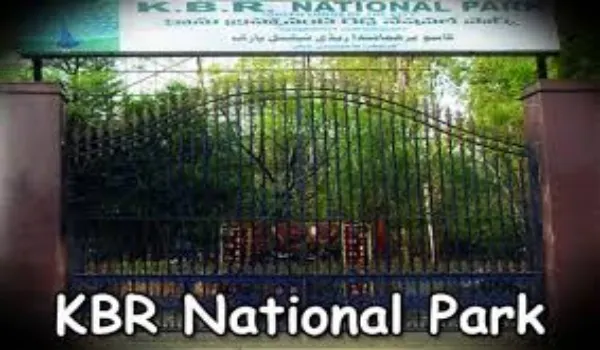
Located in the heart of Jubilee Hills, Kasu Brahmanandha Reddy National Park (KBR) stands as one of Hyderabad’s most treasured ecological and heritage destinations. Recognized across the city as Hyderabad’s urban forest park, it offers a rare natural balance within a rapidly developing metropolitan environment filled with high-rise developments and traffic density.
Spread across nearly 390 acres, this protected reserve is not just a green space — it operates as Hyderabad’s natural air purifier and biodiversity stronghold, drawing nature enthusiasts, fitness walkers, and conservation followers throughout the year.
History and Evolution of KBR National Park
KBR National Park originally formed part of the royal Chiran Palace estate, associated with the Nizam family. In 1967, this vast land parcel was transferred to Prince Mukarram Jah. Over time, due to its environmental significance and historical relevance, the government declared the land a national park in 1998 and renamed it after former Chief Minister Kasu Brahmanandha Reddy.
Under strict conservation policies, most of the land eventually came under the Forest Department’s supervision, ensuring controlled access and long-term ecological protection. Today, the site is widely referred to in travel and environmental searches as KBR National Park Hyderabad history and holds a strong position among nature parks in Hyderabad city.
KBR Park as Hyderabad’s Green Lifeline
Even with surrounding premium neighborhoods and commercial zones, KBR continues to function as a protected biodiversity core. The ecosystem inside supports rare and native species, making it one of the most significant eco parks in Hyderabad city.
Key ecological features include:
- Over 600 species of native and medicinal plants
- Around 140 bird species, attracting bird watching in Hyderabad communities
- Nearly 30 varieties of reptiles and butterflies
- Wildlife found within the park:
- Pangolin
- Indian porcupine
- Jungle cat
- Small Indian civet
- Indian peacock
Because of this natural richness, KBR Park is also recognized as one of the top urban forests in Hyderabad conservation zones.
Walking Track and Wellness Experience
The park’s most well-known attraction is the 12.5 km outer walking loop, widely referred to online as the KBR Park walking track and KBR Park outer loop.
This trail is popular for:
- Long-distance morning walks
- Structured jogging routines
- Mindfulness walking
- Fitness training circuits
On average, one complete round takes 1 hour 10–15 minutes depending on pace. Early mornings attract the highest footfall due to cool weather, peaceful surroundings, and active bird life. It frequently appears in search results for best jogging park in Hyderabad and morning walking places in Hyderabad.
KBR National Park Hyderabad Timings
Visiting hours are fixed to balance visitor movement and environmental protection:
- Morning: 5:30 AM – 10:00 AM
- Evening: 4:30 PM – 6:30 PM
The park remains closed during afternoon hours to reduce human interference and allow wildlife movement.
These timings are widely searched under KBR National Park Hyderabad timing and KBR Park entry ticket price queries.
KBR Entry Ticket Price and Pass Options
Visitors can access the park through paid entry tickets:
- Adults: ₹20 per person
- Children: ₹10 per person
For regular fitness walkers and local residents:
- Monthly Pass: ₹400
- Yearly Pass: ₹1500
- Senior Citizen Yearly Pass: ₹1000
Facilities available include washrooms, seating benches, proper waste bins, and shaded resting zones.
How to Reach KBR National Park
KBR Park enjoys strong connectivity to central and west Hyderabad.
Access points include:
- Through Jubilee Hills Check Post Road
- Nearest MMTS station: Begumpet
- Road access from Banjara Hills, Madhapur, and Panjagutta
Many first-time visitors search directions using terms such as KBR Park nearest metro station and how to reach KBR National Park online.
KBR Park Impact on Hyderabad Real Estate
Properties near KBR Park fall within a premium real estate bracket. Areas surrounding Jubilee Hills and Banjara Hills consistently record higher property values due to limited green spaces and lifestyle appeal.
However, KBR’s presence has influenced real estate sentiment beyond central Hyderabad. Developments in South and West Hyderabad are evaluated based on proximity to ecological zones and growth corridors.
Prestige Spring Heights, located around 17.6 km from KBR via Rajendra Nagar Road, benefits from environmental perception and connectivity advantages.
Meanwhile, western Hyderabad is witnessing planned township expansion, especially in the Financial District corridor. This is where Prestige Kollur, located in Kollur, is drawing growing attention.
Although situated nearly 20–25 km from KBR National Park, it benefits from smooth connectivity through the Outer Ring Road and radial road networks. Buyers exploring Prestige projects in Kollur and flats for sale in Kollur Hyderabad consider it for its infrastructure and growth potential.
Prestige Kollur highlights include:
- Spread across 28 acres
- Premium 2, 3, and 4 BHK apartments
- Multiple high-rise residential towers
- Pre-launch stage
- Expected launch: December 2025
- Possession from March 2030 onwards
Investors often compare zones near KBR and emerging corridors such as Kollur while planning property investment near KBR National Park and upcoming residential projects in West Hyderabad.
Public Reviews and Lifestyle Significance
Kasu Brahmanandha Reddy National Park consistently receives strong public feedback due to:
- Calm walking environment
- Daily fitness utility
- Natural visual landscape
- Air quality improvement
- Mental relaxation benefits
It holds a permanent position among top tourist places near Banjara Hills and green parks near Jubilee Hills.
Conclusion
Kasu Brahmanandha Reddy National Park (KBR) is not just a green space, it’s a breathing zone in the middle of the city. It is Hyderabad’s environmental backbone and urban breathing corridor. From wildlife conservation to lifestyle enhancement and real estate impact, the park continues shaping spatial value across the city — extending its influence even into emerging residential hubs such as Prestige Kollur.